
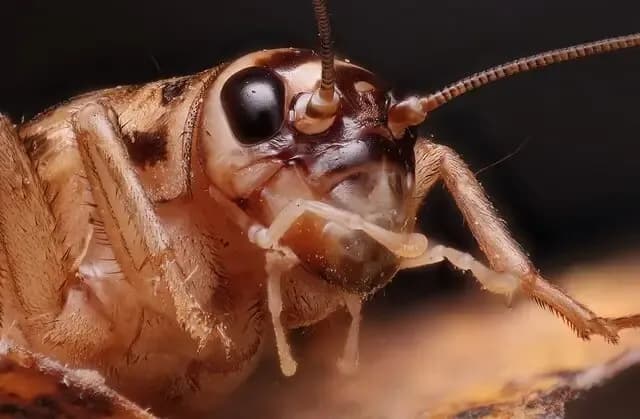
Cricket Control in Arizona (and Why Crickets Bring Scorpions)
If your porch is carpeted with crickets after a monsoon storm, here's the part nobody tells you: the scorpions are right behind them. Crickets are the primary food source for Arizona bark scorpions, so a cricket explosion is essentially ringing the dinner bell (University of Arizona Cooperative Extension, 2024).
That's why getting crickets under control isn't just about the noise or the chewed-up baseboards. It's one of the smartest moves you can make to keep scorpions out of your home. Let's look at why Arizona gets so many crickets, how the cricket–scorpion link works, and exactly how to shut both down.
Key Takeaways
- Crickets are the #1 prey of Arizona bark scorpions — control crickets and you starve the scorpions (UA Extension, 2024).
- Cricket populations explode with monsoon moisture, roughly July–September.
- Exterior light and water are the main attractants; cutting both is the first line of defense.
- Sealing entry points stops crickets and scorpions at the same time.

Why Does Arizona Get So Many Crickets?
Arizona gets overrun with crickets because monsoon season delivers the one thing the desert usually lacks: moisture. Warm temperatures plus humidity and rain let cricket eggs hatch in huge numbers, and populations surge from July through September (UA Extension, 2024).
The Indian house cricket is the usual culprit in the Phoenix Valley. They're nocturnal and powerfully attracted to light, which is why they swarm porch fixtures, garage lights, and any bright window after sundown. Add in irrigated landscaping and the cooler air leaking from your home, and your foundation becomes the most appealing block on the street.
Do Crickets Really Attract Scorpions?
Yes — and this is the connection most cricket guides skip. Crickets are a primary food source for Arizona bark scorpions, so where crickets gather, scorpions follow to hunt (UA Extension, 2024). A cricket infestation around (or inside) your home hands scorpions a reliable, all-night food supply.
It's basic predator-and-prey logic. Scorpion activity peaks during the monsoon in July and August, exactly when increased moisture drives prey insects like crickets to the surface (UA Extension, 2024). The two surges line up because they're connected.
Source: University of Arizona Cooperative Extension, 2024.
We see this play out every monsoon. Cricket calls spike in the days after the first big storms, and scorpion calls climb in the weeks that follow. For homeowners who want the scorpion side of the story, our guides on scorpion-proofing your home and scorpion control in Surprise go deeper.
When Is Cricket Season in the Phoenix Valley?
Cricket activity peaks during and after monsoon season — typically late July through October. The same warm, humid conditions that hatch crickets in waves also push scorpions to hunt, so the two activity curves rise together.

Illustrative seasonal pattern. Source: UA Extension & field observation, 2024–2025.
For the full picture of how monsoon weather reshapes pest pressure, see our Arizona monsoon pest control guide.
How Do You Get Rid of Crickets in Arizona?
The fastest way to cut crickets is to remove what draws them: light, water, and easy entry. Crickets are night-active and strongly attracted to bright white light (UA Extension, 2024), so your exterior lighting is the first lever to pull.
Work through these steps:
- Swap your bulbs. Replace white porch and landscape bulbs with yellow "bug" bulbs or warm LEDs, which attract far fewer insects.
- Dry things out. Fix irrigation leaks, improve drainage, and reduce overwatering near the foundation.
- Seal the entry points. Install tight door sweeps and seal gaps around garage doors, windows, weep holes, and utility penetrations.
- Declutter the perimeter. Move woodpiles, leaf litter, and debris away from the walls so crickets have nowhere to hide.
- Use glue boards indoors. Place them along walls and in garages to monitor and capture stragglers.
Those same actions cut your scorpion risk, since you're removing both the predators' food and their hiding spots. For ongoing pressure, a professional perimeter pest control program treats the zones where crickets congregate before they get inside.
How Do You Keep Crickets and Scorpions Out for Good?
Long-term control comes from sealing the home and treating the perimeter on a recurring schedule. One-time spraying knocks down what's there today, but monsoon hatches keep coming, so the durable fix is making your home hard to enter and unappealing to feed near.
Home sealing is the highest-leverage step against scorpions specifically, because bark scorpions squeeze through astonishingly small gaps. Our scorpion home seal service and scorpion control close those entry points, while recurring perimeter treatment keeps the cricket buffet shut down. Tackle the food source and the entry points together, and you break the cycle.
Frequently Asked Questions
Are crickets harmful?
Crickets don't bite or sting people, but they chew fabric, paper, and plants, and their chirping disrupts sleep. More importantly, they're a primary food source for Arizona bark scorpions (UA Extension, 2024), so a cricket problem often turns into a scorpion problem.
Why are crickets in my house at night?
Crickets are nocturnal and drawn to light, so they gather at porch and landscape lights, then slip inside through gaps under doors and around utility lines. Moisture from irrigation and cooler indoor air pull them in too, especially during monsoon season.
Does getting rid of crickets get rid of scorpions?
It helps a lot. Crickets are primary prey for bark scorpions, so cutting the cricket population removes a major food source and makes your home less attractive to scorpions. Pairing cricket control with home sealing is the strongest scorpion-prevention combo.
When is cricket season in the Phoenix Valley?
Cricket populations surge with monsoon moisture, roughly July through September, often peaking late July into October. Those are the same months scorpion activity rises, which isn't a coincidence.
What keeps crickets away naturally?
Cutting exterior light and moisture is the most effective natural approach. Switch to yellow or LED bulbs, fix irrigation leaks, seal door sweeps and gaps, and clear debris near the foundation to remove the light, water, and harborage crickets rely on.
The Bottom Line
Crickets aren't just a monsoon-season annoyance — they're the reason scorpions show up to hunt around your home. Control the crickets and you remove the scorpions' food supply, which is half the battle won.
- Crickets are the #1 prey of Arizona bark scorpions.
- Monsoon moisture drives the July–October population surge.
- Cut exterior light and water first; they're the main draws.
- Seal entry points to stop crickets and scorpions together.
Want to break the cricket–scorpion cycle before peak season? Call Patrick's Home Solutions at 623-640-0405 for a free perimeter and scorpion-prevention quote.
About the author: Patrick Hagan is a Licensed Pest Control Operator (Arizona Department of Agriculture License #9794) and owner of Patrick's Home Solutions, serving the Phoenix Valley.
Sources
- University of Arizona Cooperative Extension, Scorpions, retrieved 2026-06-18, https://extension.arizona.edu/sites/extension.arizona.edu/files/attachment/Scorpions.pdf
- University of Arizona Cooperative Extension, Crickets, retrieved 2026-06-18, https://extension.arizona.edu/sites/extension.arizona.edu/files/attachment/Crickets.pdf
Ready for a Pest-Free Home?
Don't wait for pests to become a bigger problem. Contact Patrick's Home Solutions today for fast, reliable service across the Phoenix Valley.